 How-to
Best Cat Beds for Cats That Like to Hide
Last Updated: November 21, 2026
Quick Summary
The best cat bed for cats that like to hide is a covered cave or hooded bed with a deep interior and a low, wide-enough entrance. Choose it by measuring your cat in its usual sleeping position and checking the interior depth, not just the outside footprint. Cats that squeeze under furniture or into closets usually do best in an enclosed design.
- Measure nose to base of tail and shoulder width while your cat is relaxed.
- Check interior depth, since a roomy-looking bed can still feel cramped.
- Pick a removable, machine-washable cover for easier cleaning.
- Confirm the base is non-slip so the bed stays put on hard floors.
- Introduce the bed slowly with treats near the entrance and let your cat set the pace.
Table of Contents
- Why Some Cats Need a Covered Bed to Feel Safe
- How to Choose the Right Hideaway Bed for Your Cat's Habits
- Top Cat Bed Picks by Type and Use Case
- How to Introduce a New Cave Bed to a Reluctant Cat
- Safety, Stability, and Ventilation Checks
- Cleaning and Care by Material
- Choosing Your Hideaway Bed at Knead and Nuzzle
- Frequently Asked Questions
Many cats feel most relaxed when they can tuck themselves into a small, enclosed space, and the right bed can make that easy. Knead and Nuzzle put together this guide to help you pick a covered or hideaway bed that suits a cat who likes to hide, with practical tips on fit, materials, and care.
Why Some Cats Need a Covered Bed to Feel Safe
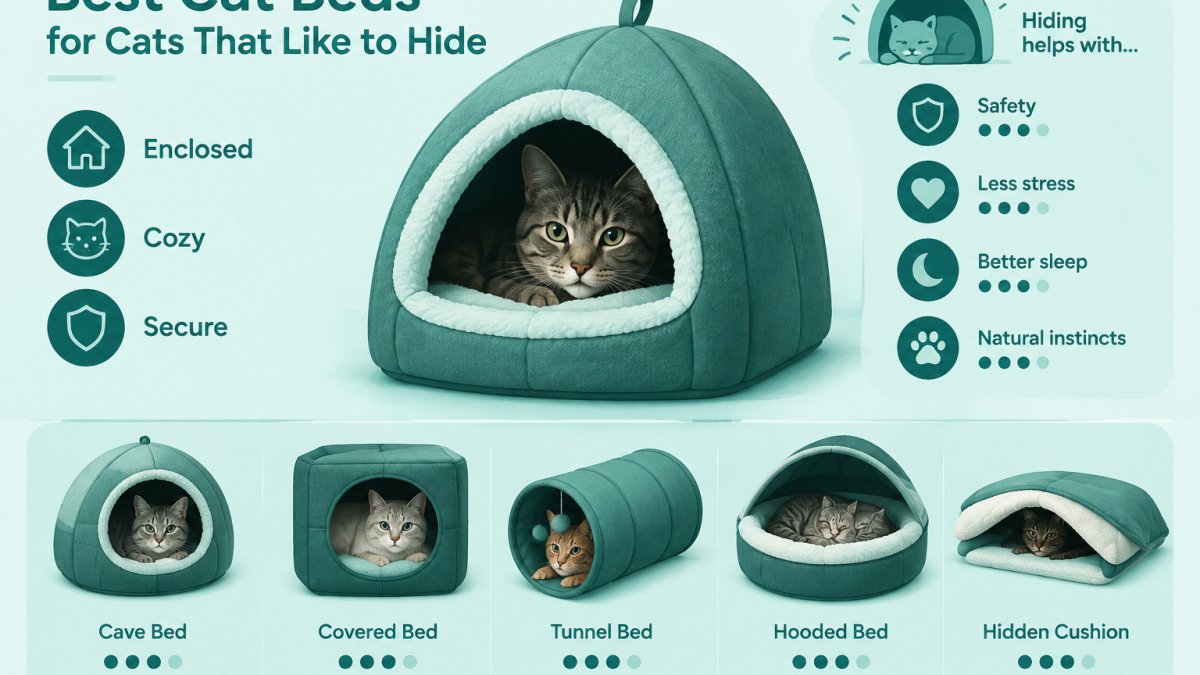
A covered bed gives a cat walls on every side and a sheltered entrance, which many shy or cautious cats find reassuring. Cats who hide often want to observe the room without being fully exposed. An enclosed bed offers exactly that balance.
Not every cat wants this kind of spot, though. Our guide on how anxiety shapes bed preferences walks through what to look for in a shy cat's bed. Some prefer open cushions and sunny windowsills. Watch where your cat already sleeps and hides before buying. A cat who regularly squeezes under furniture or stays in a closet is a good candidate for an enclosed design.
How to Choose the Right Hideaway Bed for Your Cat's Habits
Start by observing how your cat sleeps. A cat who curls tightly wants a snug cave. A cat who stretches out fully needs more floor space and a deeper, roomier interior. Kittens and adult cats also differ in how much room they use, so consider your cat's current size and how quickly a kitten will grow.
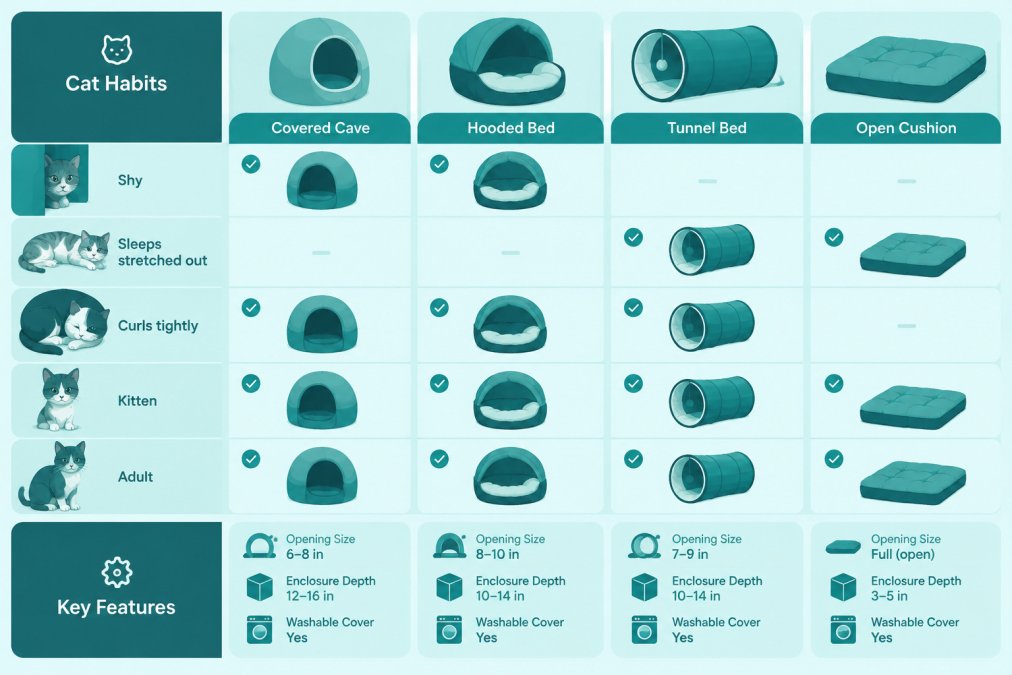
Look at the opening, too. A low, wide entrance is easier for a cat to enter and leave, while a smaller opening can make a shy cat feel more protected. Choose the design that matches the way your cat already moves through the home.
Measuring Your Cat for the Right Size
Measure your cat while it is relaxed in its usual sleeping position. Our cat bed sizing guide explains how to pick the right dimensions from your measurements. Note the length from nose to base of tail and the width across the shoulders. Compare these figures against the bed dimensions listed on the product page, and leave a little extra room so your cat can turn around comfortably.
Check the interior depth as well as the outside footprint. A bed that looks roomy but has a shallow interior may still feel cramped.
Materials, Warmth, and Cushioning
Plush fabrics and felt tend to hold warmth well, which helps during cooler months. A removable, machine-washable cushion makes cleaning easier and keeps the bed fresh. Look for a non-slip base so the bed stays put when your cat climbs in and out.
Firm enough cushioning helps the bed keep its shape, while a softer layer adds comfort. Balance both based on how your cat likes to rest.
Top Cat Bed Picks by Type and Use Case
Different cats need different designs, so match the bed type to how your cat already hides and sleeps. The table below summarizes the main categories, who each suits, and the trade-offs to weigh before you buy.
| Bed type | Best for | Key features to check | Trade-offs |
|---|---|---|---|
| Covered cave bed | Cats who want full enclosure and privacy | Deep interior, small-to-medium opening, firm walls that hold shape | Can trap heat; harder to clean if the cover is not removable |
| Hooded bed | Cats who like a partial roof and an open view | Half-roof or canopy, low front entry, non-slip base | Less privacy than a full cave; some cats ignore the hood |
| Tunnel bed | Cats who enjoy squeezing through and exploring | Rigid or semi-rigid tube, open both ends, washable liner | Takes up floor length; can roll if not stabilized |
| Open cushion bed | Cats who prefer to rest without enclosure | Supportive foam or fiberfill, removable cover, non-slip bottom | No privacy; not ideal for a cat that startles easily |
| Cubby or house-style bed | Cats who like a boxy den with a defined doorway | Square footprint, roof panel, wide doorway | Bulkier footprint; doorway may be too high for seniors |
Best for: Shy or anxious cats who need enclosed privacy, and cats that already squeeze under furniture or into closets. Skip if: Your cat avoids confined spaces, gets overheated easily, or is a large cat that needs room to stretch out.
When comparing options, prioritize opening size, interior depth, whether the cover removes for washing, and whether the base stays put on hard floors. A bed that looks plush in photos can still fail if the interior is shallow or the entrance is too narrow for your cat's shoulders. Measure your cat first, then compare those numbers against the listed dimensions rather than judging by the product photo.
For multi-cat homes, consider one enclosed bed per cat plus an open option, since a single cave can become a contested spot. Our guide to choosing durable furniture for several cats covers which options hold up best. For kittens, choose a bed with a low entry that will still fit an adult frame, or plan to size up within a year.
How to Introduce a New Cave Bed to a Reluctant Cat
Place the new bed in a quiet spot your cat already visits. Leave the door open and let your cat investigate on its own schedule. Adding a familiar blanket or a worn piece of clothing with your scent can make the bed feel more inviting.
Avoid forcing your cat inside. Our step-by-step introduction guide for new furniture lays out a full schedule for reluctant cats. Toss a few treats near the entrance and then just inside, rewarding each step. Most cats warm up to a new bed within several days when they feel in control of the process.
Safety, Stability, and Ventilation Checks
Before you settle on a bed, run through a short safety and accessibility check. This is the step most buying guides skip, and it is where enclosed beds most often go wrong.
Stability. Set the bed on the floor and press down on the rim and interior the way a cat would when climbing in. It should sit flat without rocking or tipping. On hard floors, a non-slip base or rubberized bottom matters more than on carpet. Check that seams, zippers, and any attached toys or pom-poms are secure, so nothing can loosen and be chewed or swallowed.
Ventilation. An enclosed bed should not trap heat or stale air. Test it yourself: place your hand inside for a minute. If the interior feels stuffy or damp, look for a design with a wider entrance, a breathable fabric panel, or a removable roof. Felt and plush hold warmth well in cool months but can run hot in summer, so a bed with a removable cushion lets you adjust.
Accessibility. A low, wide entrance is easier for kittens, senior cats, and cats with limited mobility. If your cat is large, confirm the doorway is wide enough for its shoulders and that the interior allows it to turn around. A bed that is snug for a curled cat can be too tight for one that stretches out.
Placement. Put the bed against a wall or in a corner so it feels anchored, and keep it out of direct sun and away from drafty doors. Avoid placing it where a cat can be startled by foot traffic or a slamming door.
When hiding is more than preference. A cat that likes a den is normal. A sudden change in hiding behavior, especially combined with changes in eating, litter box use, or energy, is worth a call to your veterinarian. This guide is about comfort and selection, not diagnosis, so let a vet assess any abrupt shift.
Watch out: a bed that wobbles, has a narrow entrance, or traps heat can turn a shy cat off entirely, so test stability and airflow before you introduce it.
Cleaning and Care by Material
Follow the care label for each bed. Removable covers can usually go in the washing machine on a gentle cycle, while non-removable cushions may need spot cleaning. Let everything dry completely before your cat returns to it, since damp fabric can hold odor and moisture.
Vacuum the interior regularly to remove loose fur. Plush and felt surfaces collect hair quickly, so a lint roller or vacuum attachment keeps the bed looking and smelling fresh.
Choosing Your Hideaway Bed at Knead and Nuzzle
Knead and Nuzzle offers a curated selection of essentials, including comfortable beds, for cats at every stage of life. Shop now to find a hideaway bed your cat will love.
Frequently Asked Questions
What is the best cat bed for cats who enjoy hiding?
A covered or cave-style bed with a soft, removable cover usually suits cats that like to hide. Look for an enclosed design with a single entry that is wide enough for your cat to move in and out easily, a non-slip base so the bed stays put, and a washable cover. Start with the size that lets your cat curl up with a little room to spare.
Do cats like to hide under beds?
Many cats do. A bed with an enclosed roof gives a shy or nervous cat the same sense of privacy and security that a hiding spot under furniture provides, but in a place you control. Covered beds also block drafts and help hold body heat during cooler months. If your cat already hides under a bed, a hooded or tunnel-style bed placed in the same room often becomes a preferred resting spot.
How do I choose the right size covered bed for my cat?
Measure your cat from nose to base of tail while she is stretched out, then add a few inches so she can turn around. For a cat that curls up, a slightly smaller bed can feel cozier. Check the opening size as well, since a cat that is wary of new things should be able to slip in without squeezing.
How do I clean a covered cat bed?
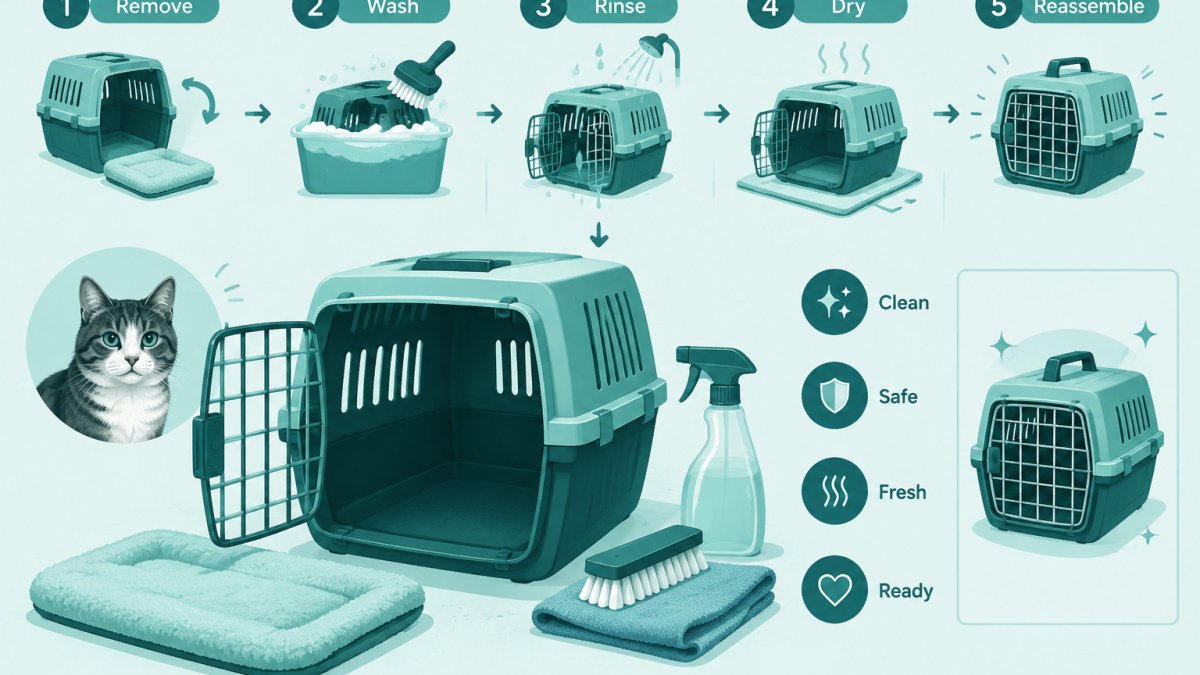
Remove the cushion and any washable cover first, then follow the care label. Most removable covers can go in a washing machine on a gentle cycle, and many dry well on low heat or air dry. Wipe the frame or base with a pet-safe cleaner and let it dry fully before putting the cushion back. Washing the cover every two to four weeks helps keep pet hair and odors under control, especially in multi-cat homes.