 blog
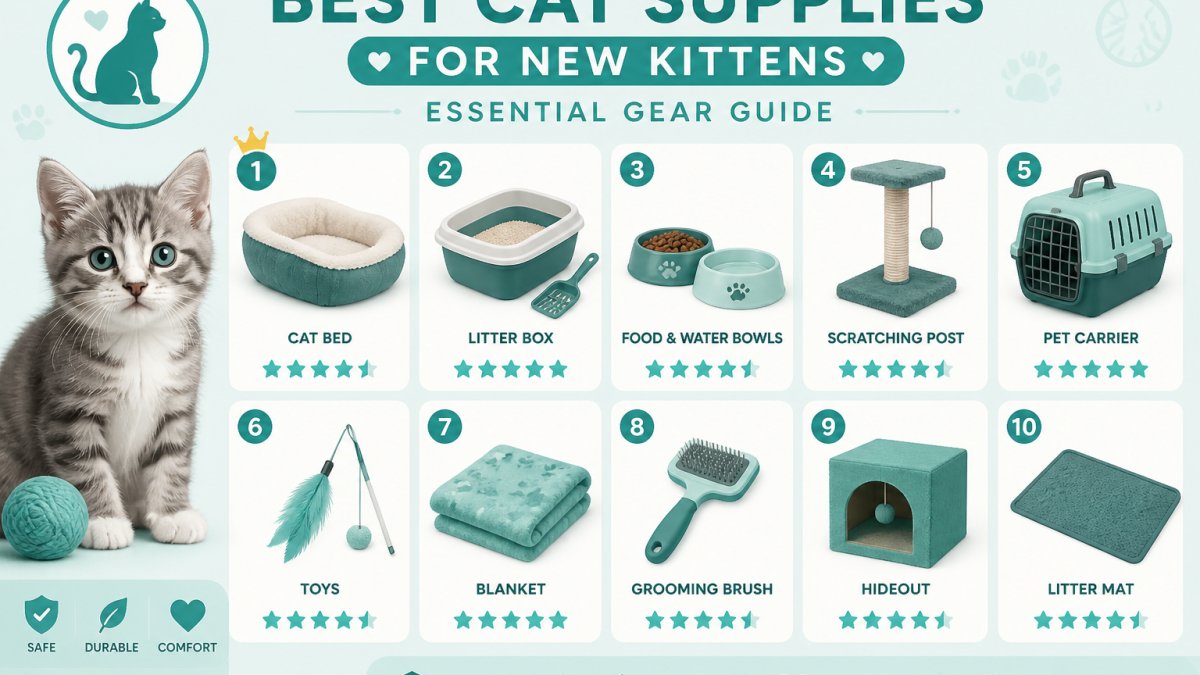
Best Cat Supplies for New Kittens: Essential Gear Guide
Last Updated: October 23, 2026
Quick Summary
The best cat supplies for new kittens include stainless steel food and water bowls, a litter box at least 1.5 times your kitten's body length, a soft bed, wand toys, a scratching post, and grooming tools. Start with essentials and add specialized items as you learn your kitten's personality and preferences.
- Kittens sleep 15 to 20 hours daily and need multiple comfortable resting spots throughout your home.
- Feed kittens under six months three to four measured meals per day and transition food gradually over seven to ten days.
- Place at least one litter box per kitten plus one extra in quiet areas away from food and water.
- Use wand toys for 10 to 15 minutes, two to three times daily to support muscle development and mental stimulation.
- Kitten-proof your home by securing electrical cords, removing toxic plants, checking window screens, and blocking small spaces where kittens can wedge themselves.
Table of Contents
- What You Need Before Bringing Your Kitten Home
- Essential Feeding Supplies and Water Bowls
- Choosing the Right Kitten Litter Box and Litter
- Comfortable Bedding and Sleeping Spaces
- Kitten Toys and Scratching Posts for Play and Exercise
- Grooming Tools and Health Essentials
- Kitten-Proofing Your Home: Safety First
- Creating Your New Kitten Checklist
- Frequently Asked Questions
What You Need Before Bringing Your Kitten Home
Bringing a new kitten home is exciting but requires thoughtful preparation. The best cat supplies for new kittens go beyond cute toys and beds, they create a safe, comfortable environment where your kitten can thrive.
Before your kitten arrives, assess your home and gather essentials across five categories: feeding and hydration, litter and bathroom needs, rest and comfort, play and enrichment, and safety. You don't need everything at once, start with the basics and add specialized items as you learn your kitten's personality.
A kitten that feels secure, well-fed, and entertained adjusts faster and bonds more strongly with you.
Essential Feeding Supplies and Water Bowls
Your kitten needs a dedicated feeding station and a separate water station, both away from the litter box and high-traffic walkways. Cats naturally avoid drinking near a food source, and a kitten forced to choose between eating and drinking often just eats.
Choosing bowls that actually work for a kitten
Stainless steel is the most durable and hygienic choice because it doesn't scratch, and scratched plastic harbors bacteria that can contribute to feline acne along the chin. Ceramic is a fine second option if the glaze is food-safe and lead-free. Plastic is the weakest choice for daily use: it scratches easily, holds odors, and often causes chin irritation.
Two details matter more than material:
- Depth and width. A kitten's whiskers are sensitive, and a deep, narrow bowl forces the whiskers to press against the sides. Wide, shallow bowls (roughly 5 to 6 inches across for a young kitten) reduce whisker fatigue and make it easier for a small kitten to reach the food without straining.
- Stability. Look for bowls with a non-slip rubber base or a weighted bottom. Kittens often brace their front paws on the rim while eating, and a sliding bowl becomes a game rather than a meal.
Water: still bowls versus fountains
Many kittens prefer moving water and will ignore a still bowl in favor of a dripping faucet. A recirculating fountain keeps water in motion, encouraging drinking and supporting urinary health. There are two broad types:
- Gravity-fed fountains use a reservoir and gravity to keep a bowl filled. They are simple, quiet, and have no pump to fail, but the water is still, not flowing.
- Electric recirculating fountains use a small pump to move water over a ramp or through a spout. They encourage more drinking, but require regular pump cleaning and filter replacement, and some kittens are startled by the motor hum at first.
If you go with a fountain, clean the pump and reservoir at least weekly, biofilm builds quickly in warm, moving water. Keep a backup still bowl available for cleaning days or power outages.
Portions, schedules, and transition feeding
Kitten feeding differs from adult cat feeding. Most kittens under six months do best with three to four measured meals per day; free-feeding dry food only under a vet's guidance.
If your kitten is coming from a breeder, foster, or shelter, ask what food they were eating and transition gradually over seven to ten days, mixing increasing amounts of the new food into the old. A sudden switch is one of the most common causes of diarrhea in newly adopted kittens.
An elevated feeder is optional for a young kitten but useful as they grow, reducing neck strain and keeping the eating area cleaner. Choose a height that lets your kitten eat with their head roughly level with their shoulders.
Choosing the Right Kitten Litter Box and Litter
A new kitten checklist must include at least one litter box, though many experts recommend one box per kitten plus one extra.
Your kitten's box should be at least 1.5 times the length of their body. Kittens grow quickly, so get a larger box that will accommodate them into adulthood. Open boxes are easiest to access, though covered boxes contain scatter and odor.
Clumping litter makes daily cleaning easier, but some kittens have sensitive paws and prefer non-clumping varieties. Paper- and corn-based litters are gentler alternatives.
Place litter boxes in quiet, low-traffic areas away from food and water. Kittens are naturally inclined to use litter, but placement and cleanliness are crucial.
Comfortable Bedding and Sleeping Spaces
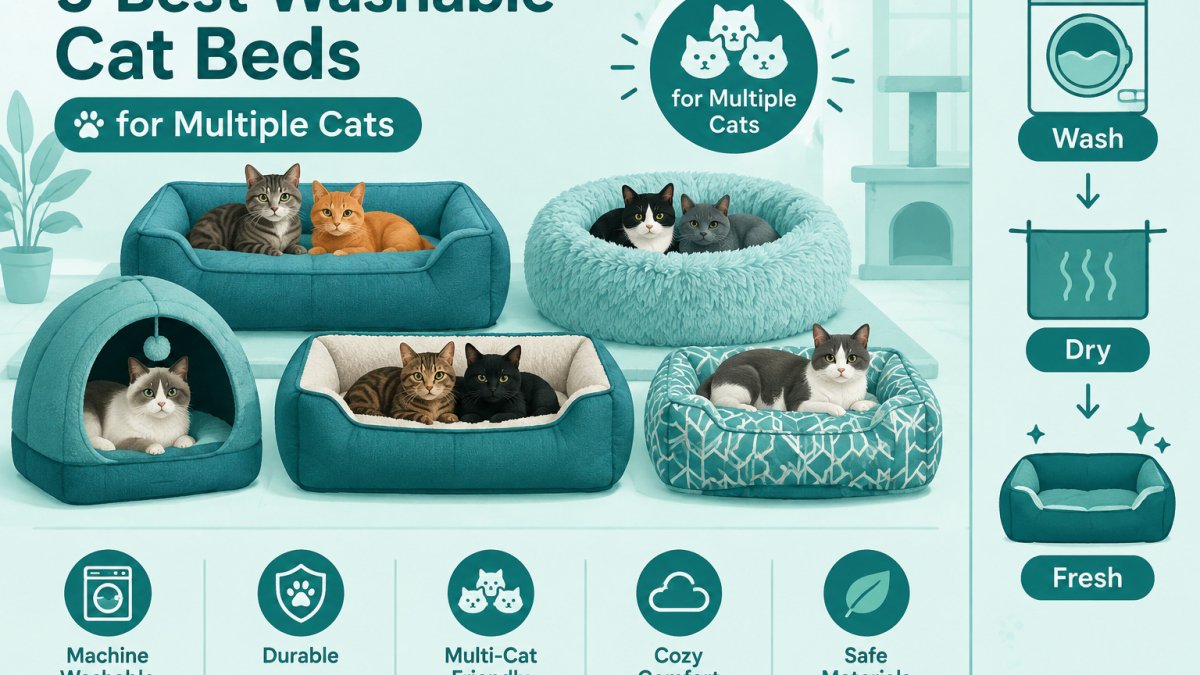
Kittens sleep 15 to 20 hours per day, so comfortable resting spots are essential. A soft cat bed provides security and warmth, especially for young kittens still learning to regulate body temperature.
Provide multiple sleeping areas throughout your home. Kittens seek out warm, quiet spots, so place beds near windows, in corners, or on elevated furniture.
Washable, soft blankets work best because kittens will knead and nest in them.
Some kittens love plush, enclosed spaces, while others prefer cool, flat surfaces. You may need to try a few options before finding what your kitten loves.
Kitten Toys and Scratching Posts for Play and Exercise
Kittens have abundant energy and need interactive play to develop muscle strength, coordination, and mental stimulation. Wand toys mimic prey movement and encourage pouncing and jumping.
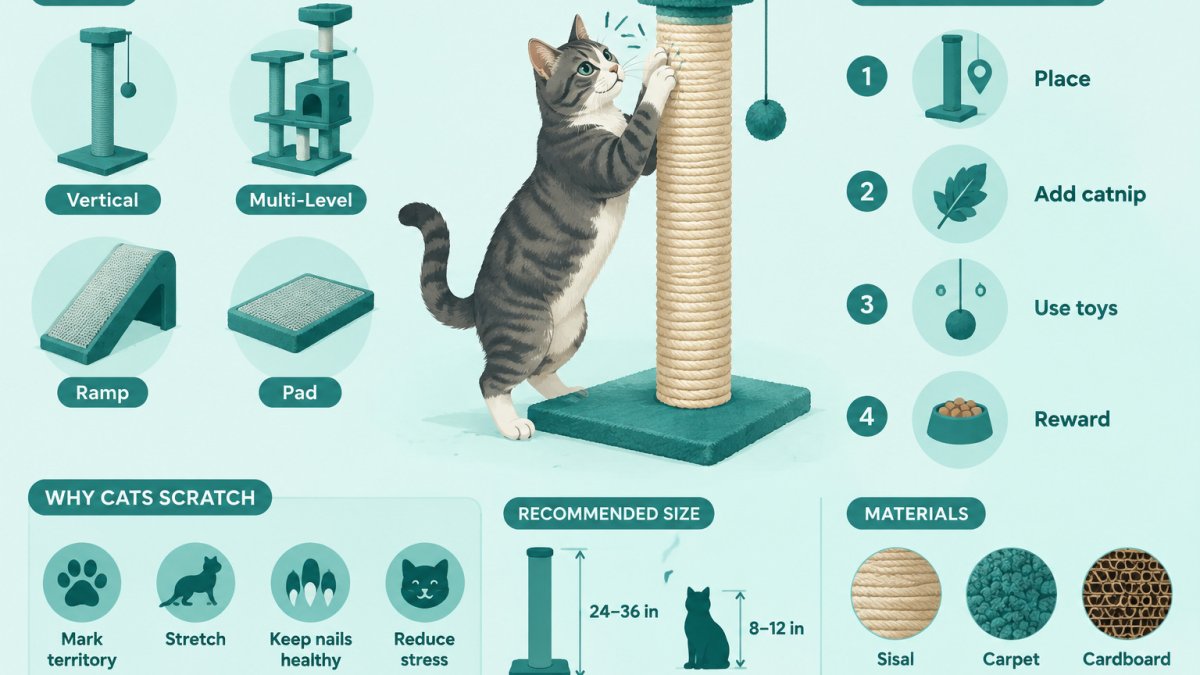
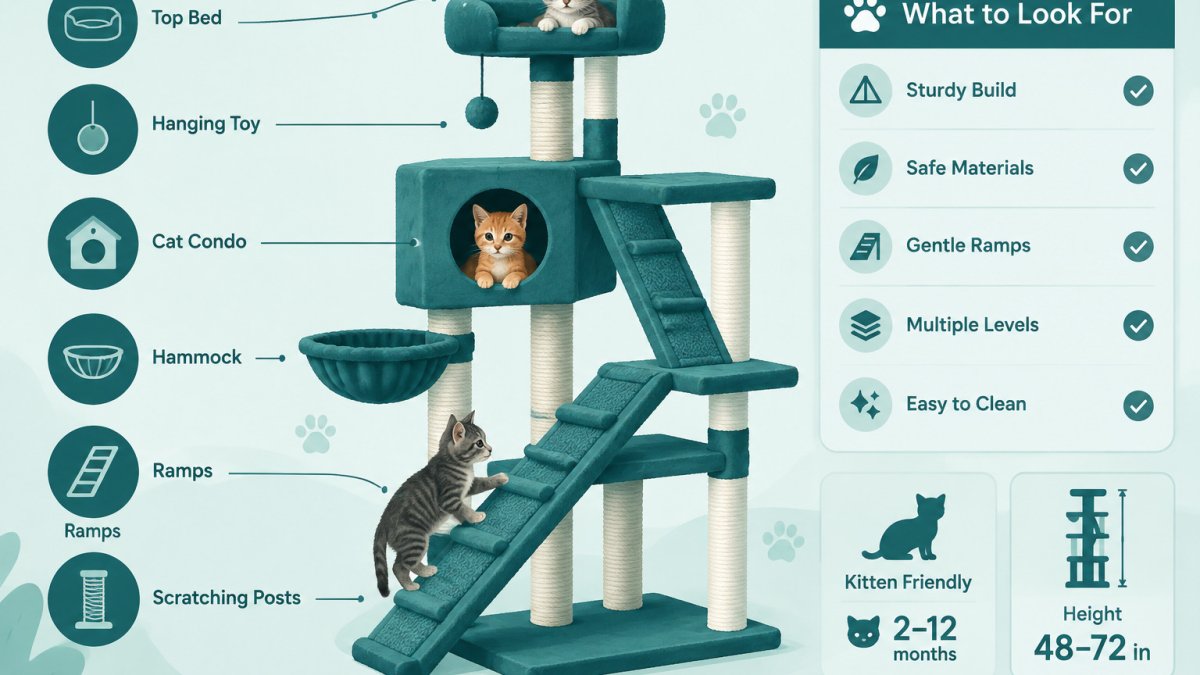
Scratching posts are non-negotiable. Scratching helps kittens shed old claw sheaths, mark territory, and stretch their muscles. A multi-level cat tree doubles as a scratching post and climbing structure, and vertical space is especially valuable in multi-cat households because it gives each kitten their own territory.
Some kittens prefer vertical sisal rope, others horizontal corrugated cardboard.
Balls, mice, and crinkle toys provide solo enrichment when you're not actively playing. Rotate toys weekly to maintain novelty, and use treat-dispensing toys to encourage problem-solving.
Grooming Tools and Health Essentials
Regular grooming keeps your kitten's coat healthy and reduces shedding.
Schedule a veterinary visit within the first week. Your vet will check for parasites, assess overall health, and discuss vaccination and spay/neuter timing.
Keep basic health supplies on hand: cat nail clippers, a rectal thermometer, and pet-safe first aid supplies.
An adjustable collar with an ID tag provides immediate identification if your kitten gets outside.
Kitten-Proofing Your Home: Safety First
Most supply lists tell you what to buy. Kitten-proofing is the part they skip, and it prevents the emergencies. Walk through your home at kitten height, because a kitten's world is the floor, the gaps, and the undersides of furniture.
The hazards that send kittens to the emergency vet
A few categories account for a large share of kitten injuries, and each has a straightforward fix:
- Electrical cords. Kittens chew, and a live cord can cause burns or electrocution. Bundle cords with cord covers or split loom, route them behind furniture, and unplug what you can when it is not in use. Pay special attention to phone chargers and lamp cords, which dangle at exactly kitten height.
- Toxic plants. Several common houseplants are dangerous to cats, including lilies (especially true lilies, which can cause kidney failure), dieffenbachia, philodendron, pothos, and sago palm. Remove them or move them to a room the kitten cannot access. When in doubt, check a plant against a veterinary toxicology list before bringing it home.
- Human food and medication. Grapes, raisins, onions, garlic, chocolate, and xylitol are all dangerous to cats (People Foods to Avoid Feeding Your Pets). Keep pills in closed cabinets, not on counters, and never leave a purse or bag on the floor where a kitten can nose into it.
Room-by-room quick check
- Kitchen: secure lower cabinets, keep the trash can lidded, and store cleaning products in a locked or latched cabinet.
- Bathroom: keep the toilet lid down (kittens can drown in an open bowl), store medications and dental floss out of reach, and latch the vanity.
- Laundry room: keep the dryer door closed and check the drum before running it, kittens love warm, enclosed spaces.
Setting up a safe room
A safe room is not a punishment, it is a decompression space. Choose a small, quiet room such as a bathroom or spare bedroom and set it up before your kitten arrives. Include:
- A litter box placed far from the food and water
- Food and water bowls on a washable mat
- A bed or soft blanket
Keep the door closed and let your kitten set the pace. Spend time in the room quietly so your kitten learns your scent and voice. After a few days, begin short supervised explorations of the rest of the home, one room at a time, and return your kitten to the safe room when you cannot supervise.
Creating Your New Kitten Checklist
Use this summary table to track what you need before your kitten arrives. Prioritize essentials first, then add comfort and enrichment items as your budget allows.
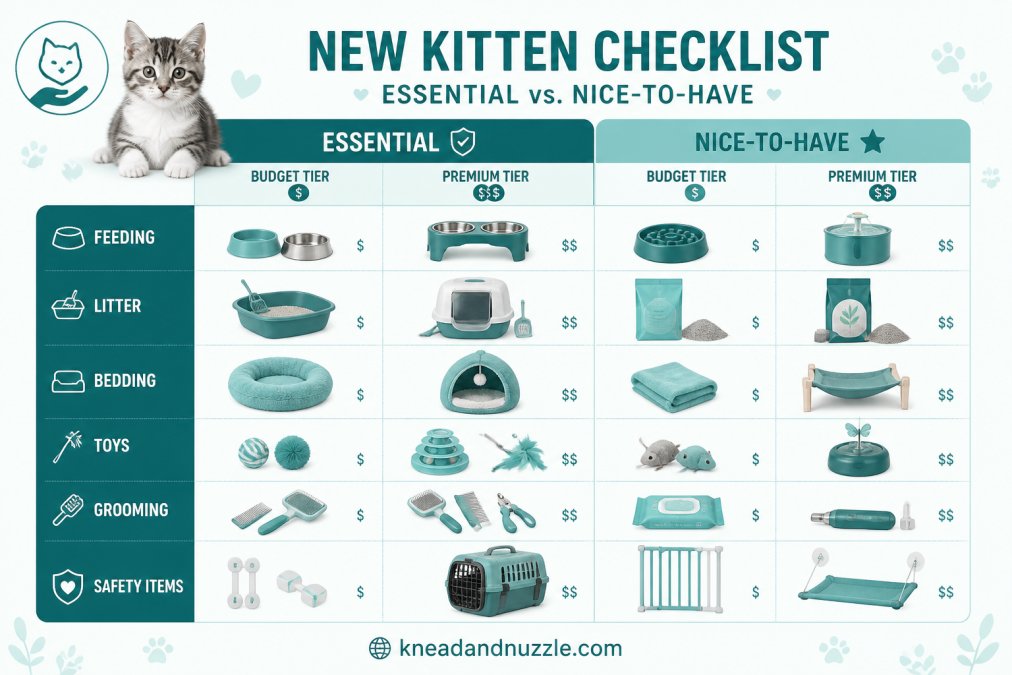
| Category | Essential Items | Budget-Friendly | Premium Upgrade |
|---|---|---|---|
| Feeding | Stainless steel bowls, kitten food | Basic ceramic bowls | Elevated feeders, water fountain |
| Litter | Litter box, clumping litter | Standard open box | Larger box, premium litter variety |
| Bedding | Soft cat bed, blankets | Simple cushion | Heated bed, multiple sleeping spots |
| Play | Wand toys, small toys | Homemade toys, cardboard | Cat tree, interactive puzzle toys |
| Grooming | Slicker brush, nail clippers | Basic brush | Professional grooming supplies |
| Safety | Collar, ID tag, cord covers | DIY solutions | Microchip, safety gates, plant barriers |
Multi-cat households need to scale these supplies, add one litter box per additional kitten, provide multiple scratching posts to prevent territorial conflicts, and ensure enough toys and sleeping spaces so each kitten has access to resources without competition.
For new kitten owners, the best approach is starting simple. Get the essentials first: food and water bowls, a litter box, a bed, basic toys, and grooming supplies.
Frequently Asked Questions
What supplies do you absolutely need for a new kitten?
Start with the essentials: food and water bowls, kitten-appropriate litter box and litter, a comfortable bed, toys for play and enrichment, a cat carrier for transport, grooming tools like a brush and nail clippers, and ID tags. Add a scratching post to protect furniture and satisfy natural instincts. These core items create a safe, comfortable foundation for your new kitten to adjust to their home.
How do you kitten-proof a home before bringing one in?
Secure loose electrical cords, remove toxic plants, store medications and chemicals safely out of reach, and block access to small spaces where kittens could hide or get stuck. Use baby gates to restrict access to certain rooms if needed. Remove fragile items from shelves, secure window blinds, and ensure screens are intact. Check for gaps behind appliances and seal them. A kitten-proofed home prevents accidents and gives your new pet the freedom to explore safely.
What's the best type of litter box for a kitten?
Open litter boxes work well for most kittens because they're accessible and allow easy monitoring. Choose a box slightly larger than your kitten's adult size to accommodate growth. Some kittens prefer covered boxes for privacy, but these can be harder to clean. Place litter boxes away from food and water bowls, and use clumping litter that's soft on developing paws. Most experts recommend one box per kitten plus one extra for multi-kitten households.
Are premium kitten supplies worth the investment?
Premium supplies often last longer, are safer, and better suit your kitten's needs than budget alternatives. High-quality toys resist damage, sturdy furniture handles active play, and ergonomic beds support proper development. However, you don't need everything premium, prioritize items your kitten uses daily like beds, bowls, and litter boxes. Mid-range options often offer the best balance of quality and value.
Bringing home a new kitten is one of the most rewarding experiences a cat lover can have. The right preparation sets your kitten up for a healthy, happy life in your home. Knead and Nuzzle offers a carefully selected range of feeding supplies, litter boxes, bedding, toys, grooming tools, and safety essentials designed specifically for new kittens. Shop now to find everything your new kitten needs to feel at home, with fast shipping from the USA and products chosen for quality and durability.