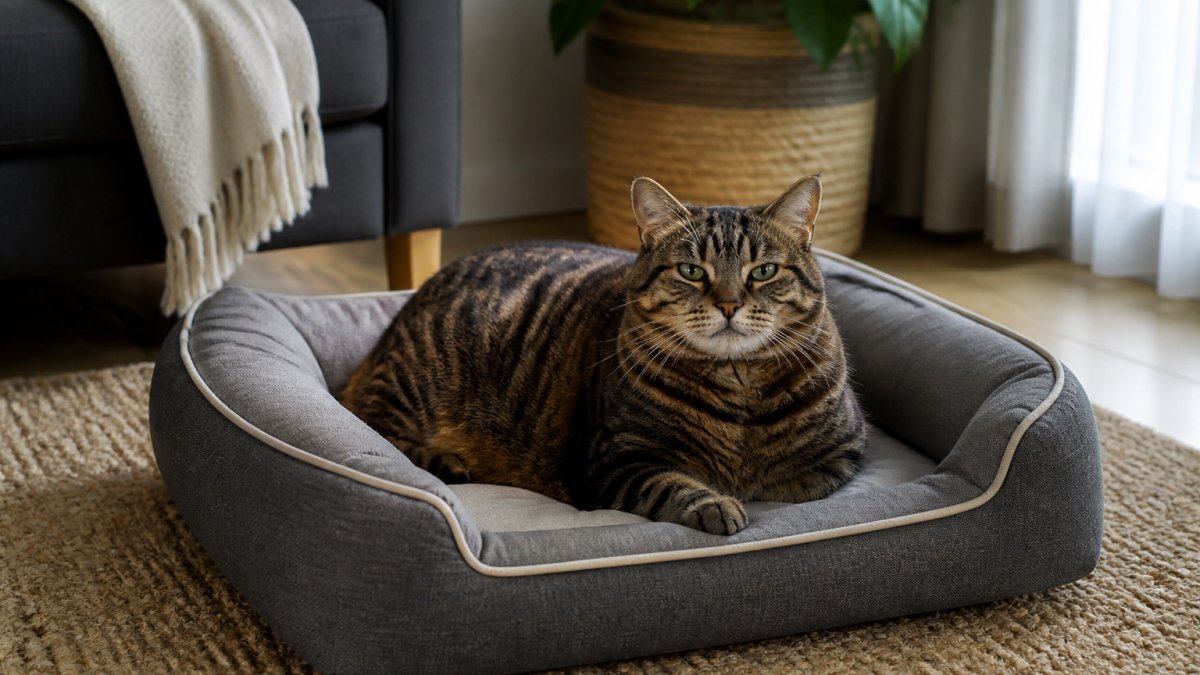
 blog
blog
Durable Cat Beds for Heavy Cats: A Complete Guide
Table of Contents
- Why Durable Cat Beds Matter for Heavy Cats
- Best Materials for Cat Bed Longevity
- Orthopedic Cat Beds for Large Cats: Support and Comfort
- How to Measure a Cat for a Bed: Getting the Right Fit
- Essential Features for Weight-Specific Durability
- Specialized Bed Options: Caves, Heated, and Elevated Styles
- Maintaining Your Cat's Bed for Long-Term Durability
- Frequently Asked Questions
Last Updated: September 28, 2026
Why Durable Cat Beds Matter for Heavy Cats
Heavy cats need durable cat beds for heavy cats built to last. A standard cat bed designed for average-weight felines will compress, sag, and fail within months when supporting a larger animal. The structural demands are simply different.
When a cat weighs 15 pounds or more, the foam, fabric, and frame must all work together to prevent breakdown. This isn't just about comfort, it's about preventing joint stress that compounds over time. A bed that collapses unevenly forces your cat's spine and joints into unnatural positions night after night. Over months, that takes a toll.
The challenge is knowing which beds actually deliver durability. Marketing claims are easy. Real structural integrity requires understanding materials, weight capacity, and construction methods. That's what separates a bed that lasts two years from one that fails in two months.
Best Materials for Cat Bed Longevity
The material foundation determines everything. A bed with beautiful fabric but weak foam will disappoint quickly. The reverse, strong foam under cheap fabric, creates a bed that looks worn while still functional.
Orthopedic Foam and Memory Foam Options
Orthopedic foam provides the support structure that prevents sagging. True orthopedic foam maintains its density under sustained pressure, which matters enormously for heavy cats. Memory foam conforms to your cat's body, distributing weight evenly rather than creating pressure points.
The key difference: density. High-density foam (typically 2.5+ pounds per cubic foot) resists compression far better than lower-density alternatives. When you press on orthopedic foam, it should spring back immediately. Foam that stays compressed has already begun its decline toward permanent sagging.
For heavy cats, a bed combining both layers works best. Orthopedic foam as the base provides structural support and prevents bottoming out. Memory foam on top offers comfort and pressure relief. This two-layer approach is what you'll find in beds designed to handle sustained weight.
Tear-Resistant Fabrics and Reinforced Stitching
The cover matters as much as what's inside. Microsuede, canvas, and heavy-duty polyester all resist tearing better than standard cotton blends. Microsuede feels soft but has remarkable durability, it won't pill or fray under normal use.
Reinforced stitching is where many budget beds fail. Double-stitched seams, especially at stress points like corners and edges, prevent unraveling. Seams that are single-stitched will separate within months under the strain of a heavy cat's weight and movement.
Orthopedic Cat Beds for Large Cats: Support and Comfort
An orthopedic bed isn't just about softness. It's about alignment and pressure relief. Heavy cats benefit from specific design features that lighter cats don't require.
Joint Support and Pressure Relief Features
Orthopedic design reduces pressure on joints by distributing weight across a larger surface area. Instead of your cat's weight concentrating on hip and shoulder points, a proper orthopedic bed spreads that load. The result is reduced joint stress, less inflammation, and improved mobility.
Pressure relief is particularly important for senior heavy cats. Older cats already experience joint stiffness. A bed that eliminates pressure points makes movement easier and reduces pain signals.
The foam should be firm enough to provide support but have enough give to conform to your cat's body. Foam that's too hard feels like sleeping on concrete. Foam that's too soft provides no support. The sweet spot is a medium-firm orthopedic foam that supports without being rigid.
Bolster Support and Elevated Design Options
Bolsters, the raised edges on a bed, serve multiple functions. They provide head and neck support, creating a more comfortable resting position. They also contain your cat, preventing them from rolling off during sleep. For anxious cats, bolsters create a sense of security.
Elevated beds lift your cat off cold floors, improving comfort while reducing joint stress. The slight elevation changes the angle at which your cat's body rests, reducing strain on the lower back and hips. For heavy cats with joint concerns, this elevation makes a real difference.
Some beds combine bolstered sides with an elevated frame. This design offers maximum support: the bolster for comfort and security, the elevation for joint relief. It's the gold standard for heavy cats with orthopedic needs.
How to Measure a Cat for a Bed: Getting the Right Fit
Size matters more than most owners realize. A bed that's too small forces your cat into a cramped position. A bed that's too large doesn't provide the sense of security that makes a bed appealing.
Measure your cat in their natural sleeping position. Most cats curl into a ball when they sleep. Measure from nose to rear end, then add 4-6 inches. That's your ideal bed length. For width, measure your cat's body width and add 6-8 inches, enough for them to stretch out if they want to.
Weight capacity is equally important. The bed's rated weight capacity should exceed your cat's actual weight by at least 20 percent. A bed rated for 20 pounds should only accommodate a 16-pound cat for optimal durability. This safety margin prevents the foam from compressing excessively.
If your cat is between sizes, choose the larger bed. Extra space is far better than a cramped fit. A slightly oversized bed still provides comfort; an undersized bed creates problems.
Essential Features for Weight-Specific Durability
Heavy cats require beds engineered for their specific demands. Generic beds fail because they're not designed to handle sustained, concentrated weight.
Weight Capacity and Structural Integrity
A bed's weight capacity tells you its structural limits. This number should be clearly stated by the manufacturer. Beds designed for heavy cats typically have capacities of 20-40 pounds, with premium options reaching 50+ pounds.
The frame construction directly impacts weight capacity.
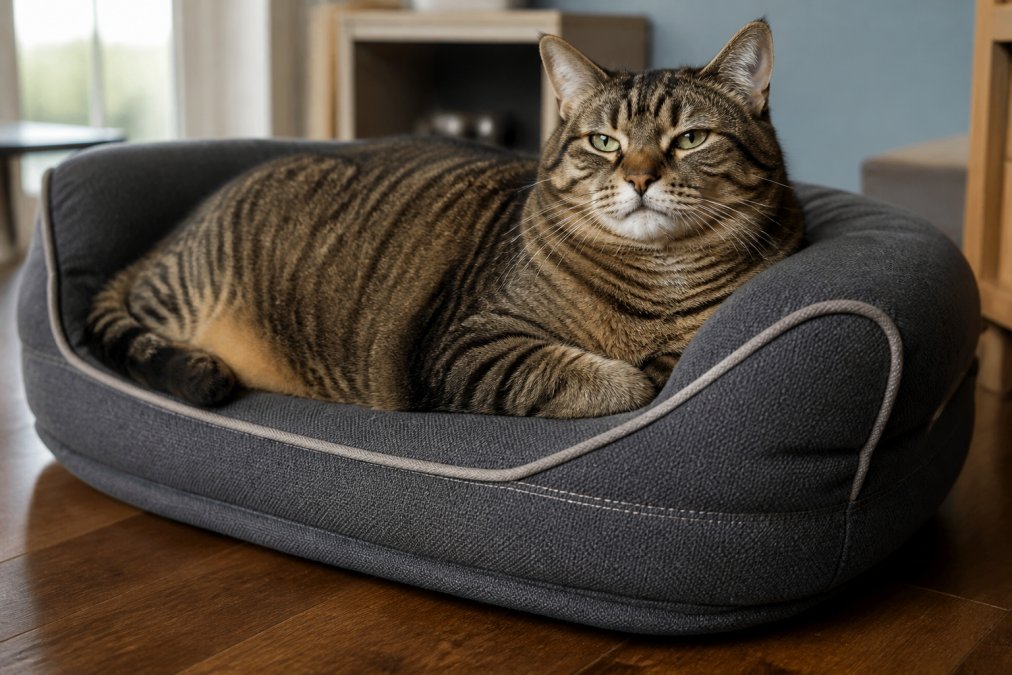
Structural integrity means the bed maintains its shape and support over years of use. A quality bed won't develop a permanent depression in the center. It won't develop lumps or uneven spots. The foam should remain consistent throughout the bed's life.
Water-Resistant Bases and Anti-Slip Bottoms
Water-resistant bases protect the bed from accidents and moisture. Cats sometimes have accidents, and water-resistant materials prevent liquid from seeping into the foam. This extends the bed's life and maintains hygiene.
Anti-slip bottoms prevent the bed from sliding across floors. A bed that slides is annoying for you and unsettling for your cat. Rubber or silicone base materials grip flooring and keep the bed stationary. This is especially important for heavy beds that are difficult to move if they shift position.
Machine-Washable Covers and Removable Inserts
A removable, machine-washable cover transforms maintenance. You can wash the cover regularly without removing the entire bed or dealing with the foam. This keeps the bed fresh and hygienic over years of use.
The cover should be durable enough to withstand multiple washings. High-quality covers use reinforced seams and fade-resistant fabric that survives dozens of wash cycles. Budget covers pill, fade, and deteriorate after just a few washings.
Specialized Bed Options: Caves, Heated, and Elevated Styles
Different cats have different preferences. Some need security; others need warmth. Some benefit from elevation. Understanding these options helps you choose the right bed for your specific cat.
Enclosed Cave Beds for Security and Anxiety Relief
Cave-style beds provide a den-like environment. Cats feel secure enclosed on three sides, with an opening for entry and exit. This enclosed design reduces anxiety and creates a sense of safety.
For heavy cats, cave beds must have reinforced frames and dense foam. The enclosed structure adds weight to the design, requiring stronger materials to prevent collapse. A poorly made cave bed might cave inward, literally, under a heavy cat's weight.
The opening should be large enough for your cat to enter and exit comfortably without squeezing.
Heated Beds for Senior Cats and Joint Comfort
Heated beds provide warmth that reduces joint stiffness. Warmth increases blood flow to joints and muscles, reducing pain and improving mobility. Senior heavy cats especially benefit from gentle heat.
Maintaining Your Cat's Bed for Long-Term Durability
A quality bed requires minimal maintenance, but proper care extends its life significantly. Regular cleaning prevents odor buildup and material degradation.
| Feature | Why It Matters | Best For |
|---|---|---|
| High-density orthopedic foam | Prevents sagging and maintains support | Heavy cats with joint concerns |
| Reinforced stitching and welded seams | Prevents fabric separation and unraveling | Long-term durability |
| Water-resistant base | Protects foam from accidents and moisture | Multi-cat households |
| Removable, washable cover | Simplifies cleaning and maintenance | Regular use and hygiene |
| Bolster support | Provides head/neck support and security | Anxious or senior cats |
| Elevated frame design | Reduces joint strain and floor contact | Cats with orthopedic needs |
Frequently Asked Questions
What features make a cat bed durable for heavy cats?
Durable cat beds for heavy cats require reinforced construction, high-density orthopedic foam, tear-resistant fabrics, and sturdy bolster support. Look for beds with anti-slip bases, water-resistant bottoms, and reinforced stitching at stress points. Weight capacity ratings should exceed your cat's weight by at least 20 percent. Machine-washable covers help extend longevity by allowing regular cleaning without damaging the core structure.
How do I measure my cat for the right bed size?
Measure your cat from nose to tail base while they're in a relaxed, stretched position. Add 4-6 inches to that length for comfortable sprawling room. For width, measure across your cat's body at the widest point and add 3-4 inches. For heavy cats, choose beds with extra depth and cushioning to properly distribute weight and prevent sagging.
Are memory foam beds better for heavy cats than standard foam?
Memory foam provides superior pressure relief and joint support for heavy cats compared to standard foam. It contours to your cat's body, distributing weight more evenly and reducing stress on joints and bones. However, memory foam density matters significantly, higher density resists compression better over time. Check durability ratings and foam longevity specifications.
What's the best material for a cat bed that won't wear out quickly?
Microsuede, canvas, and performance fabrics offer excellent durability for heavy cats. Look for tear-resistant, tightly woven materials with reinforced stitching and double-stitched seams at stress points. Machine-washable covers are essential for longevity, they allow frequent cleaning without damaging the bed structure. Pair durable fabric with a water-resistant, non-toxic base to prevent moisture damage and extend the bed's lifespan significantly.