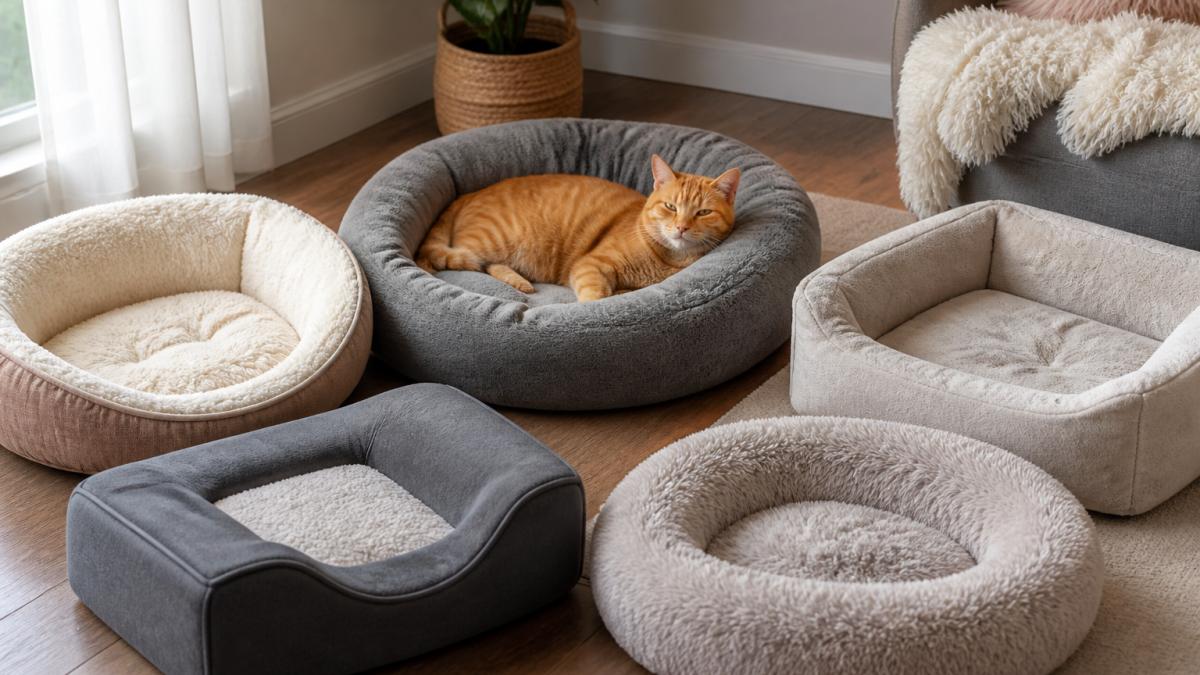
 blog
blog
Best Orthopedic Beds for Senior Cats
Table of Contents
- Why Orthopedic Beds Matter for Senior Cats
- Signs of Arthritis in Senior Cats
- Key Features That Support Joint Health
- Low-Profile Cat Beds for Mobility Issues
- How to Choose Cat Beds for Anxious Cats
- Creating the Right Sleeping Environment
- Transitioning Your Senior Cat to a New Bed
- Conclusion
- Frequently Asked Questions
Last Updated: October 4, 2026
Why Orthopedic Beds Matter for Senior Cats
As cats age, their joints and muscles change. Orthopedic beds for senior cats provide targeted support that regular bedding cannot match, transforming how aging companions sleep and move.
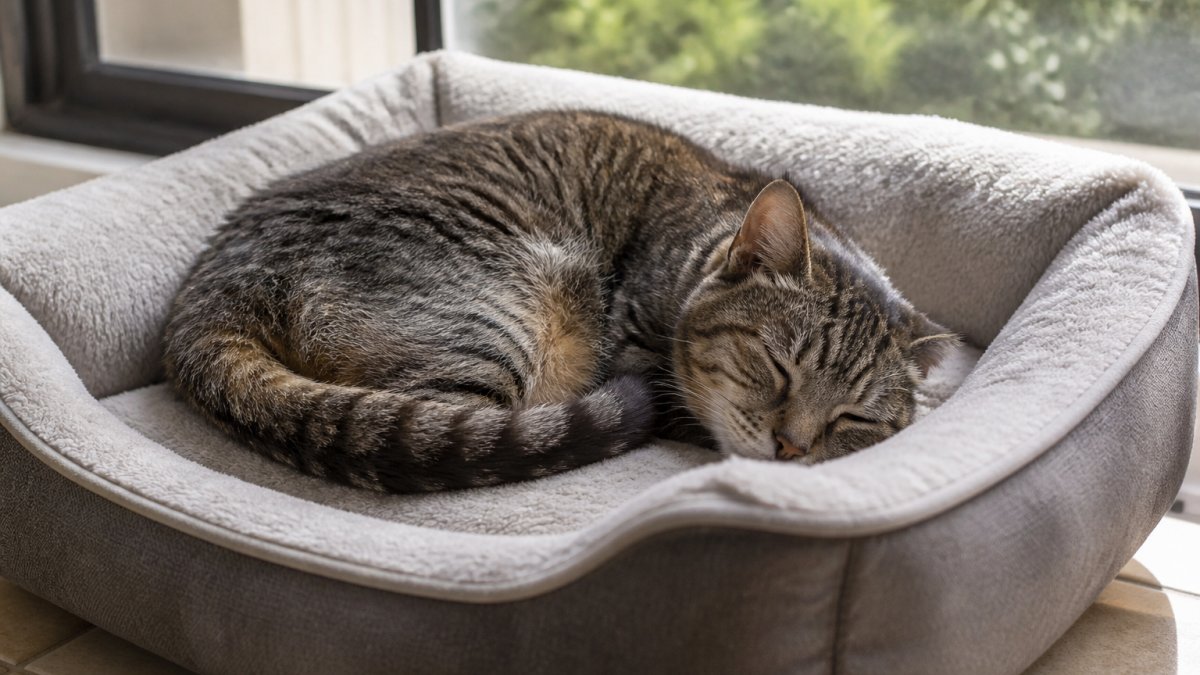
Feline arthritis affects mobility in ways many owners don't recognize, cats hesitate before jumping, limp, or spend more time in one spot. The right orthopedic bed reduces pressure on sensitive joints and enables restorative sleep.
Older cats spend 16 to 20 hours sleeping daily.
Signs of Arthritis in Senior Cats
Recognizing early signs of feline arthritis helps you intervene before pain becomes severe. Cats hide discomfort until movement becomes noticeably difficult.
Watch for reluctance to jump, stiffness after rest, difficulty using the litter box, limping, reduced grooming, or increased vocalization.
A previously active cat that stays in one location most of the day may be managing joint pain. Cats with inflammation sleep more, play less, and avoid stairs.
Key Features That Support Joint Health
The best orthopedic beds for senior cats share specific design elements that reduce joint stress and support aging felines.
Memory Foam and Egg-Crate Cushioning
Memory foam conforms to your cat's body, distributing weight and reducing pressure on joints like hips, shoulders, and elbows. Egg-crate foam's peaks and valleys create air pockets that enhance cushioning while maintaining firmness underneath.
Medium-density memory foam (3.5 to 4.5 pounds per cubic foot) balances softness with durability, maintaining shape for years while remaining comfortable. Denser foam lasts longer but feels firmer; lower-density foam feels plush but compresses within 12 to 18 months.
Beds with 2 to 3 inches of memory foam suit most senior cats; 4 to 5 inches offer deeper support for severe arthritis or post-surgery recovery. However, thicker beds create higher entry points, problematic for cats with mobility limitations.
Temperature Regulation for Aging Cats
Senior cats often struggle with thermoregulation. The right orthopedic bed addresses this through material selection.
Memory foam retains heat, benefiting cats in cool environments. However, cats that overheat easily may experience discomfort, leading to restlessness.
Cooling gel-infused memory foam dissipates heat while maintaining pressure relief. Breathable, moisture-wicking covers enhance cooling for cats that shift positions frequently or pant while sleeping.
Self-warming beds use reflective materials to bounce body heat back, creating a cocoon-like effect. Match the bed's thermal properties to your cat's preferences, cats seeking sunny spots prefer cooler beds; those burrowing under blankets benefit from heat retention.
Washable Covers and Non-Toxic Materials
A removable, washable cover keeps the bed hygienic and simplifies cleanup. Non-toxic materials protect your cat from harmful chemicals during long rest hours.
Choose durable fabrics like microsuede, cotton blends, or fleece that remain soft after washing. Covers should fit snugly to prevent shifting. Quality beds specify cold water washing to prevent damage.
Look for certifications like OEKO-TEX that verify the absence of harmful dyes, flame retardants, and chemical treatments. Hypoallergenic materials benefit cats with sensitive skin or allergies.
Low-Profile Cat Beds for Mobility Issues
Low-profile cat beds eliminate the jump or climb that regular beds require, often determining whether a cat will use it.
Most senior cats manage a 4- to 6-inch entry point comfortably. Higher entries force awkward jumping or stretching, which cats with pain will avoid. Sloped or ramped edges help cats with severe mobility issues.
Bolster support (raised edges) helps cats lean against them when standing, reducing effort for cats with weak hind legs or balance issues. Bolsters also create a sense of security for anxious cats.
Position low-profile beds near your cat's favorite resting spots on a non-slip base to prevent sliding.
How to Choose Cat Beds for Anxious Cats
Anxiety in senior cats often stems from pain or environmental changes.
Enclosed or partially enclosed designs with higher sides create a den-like environment. Many anxious cats settle faster in beds where they can see surroundings but still feel enclosed.
Place a new orthopedic bed near your cat's current sleeping spot for a few days so their scent transfers naturally, helping them recognize it as safe territory.
Leave the bed in the room with treats nearby and let your cat approach at their own pace. Patience during transition pays off with genuine use rather than avoidance.
Anxious cats prefer softer, plush surfaces like fleece or microsuede covers. Temperature also matters, some prefer warmer beds while others need cooling options.
Creating the Right Sleeping Environment
The environment where you place the bed determines whether your senior cat uses it consistently. Key factors include lighting, noise, temperature, and proximity to resources.
Position beds near windows for visual stimulation, but avoid direct sunlight that can overheat the bed. Soft, indirect light works best.
Senior cats need quiet spaces away from household commotion. Cats sleeping near loud areas experience interrupted rest, increasing stress and pain perception.
Cats prefer environments between 75 and 78 degrees Fahrenheit. Avoid heating vents and air conditioning units. During winter, place beds near warm walls; during summer, use shaded corners.
Place beds reasonably close to food, water, and litter box access. Cats in pain won't walk far for basic needs, so central placement encourages more movement.
Transitioning Your Senior Cat to a New Bed
Moving your cat to a new orthopedic bed requires patience and a structured strategy. Senior cats resist environmental change because pain and cognitive decline make novelty stressful. A gradual approach works far better than hoping for natural adoption.
The Scent-Transfer Protocol
Place the new orthopedic bed in your cat's current sleeping area for 3 to 5 days. Your cat's scent naturally transfers through rubbing and proximity, signaling the bed is part of their territory.
Place your cat's current blanket or cushion on top of the new orthopedic bed for the first week. Gradually reduce old bedding as your cat settles in. Some cats need 2 to 3 weeks; others manage it in 5 to 7 days.
For resistant cats, rub a soft cloth on their face and neck, then rub it on the new bed to accelerate scent-marking.
Timeline Expectations by Cat Temperament
Adaptable cats typically accept a new bed within 3 to 7 days and begin using it within 24 hours. Move the bed to its final location after 2 to 3 days of use.
Cautious cats need 2 to 3 weeks. Keep the bed in a familiar location for at least 10 days before moving it. Forcing a cautious cat onto a new bed creates negative associations that can last months.
Anxious or pain-affected cats (those showing signs of anxiety, arthritis pain, or cognitive decline) may need 4 to 6 weeks or longer. These cats experience stress from novelty, and pain makes them less willing to experiment with new resting spots.
Positive Reinforcement Without Pressure
Place high-value treats on the new bed, not inside it, but on the edge where your cat can easily access them. This creates a positive association without forcing interaction. Repeat this daily for the first 2 weeks.
Never chase your cat onto the bed or create negative experiences. The goal is for your cat to choose the bed voluntarily. If your cat shows fear or avoidance, back off and extend the timeline. Forcing interaction often backfires, particularly with senior cats that are already managing pain and stress.
Use playtime near the bed (not on it) to create positive associations. A few minutes of gentle play with a wand toy near the bed can make the area feel safe and engaging. Stop before your cat becomes tired or frustrated.
Troubleshooting Common Resistance Patterns
Your cat investigates but won't rest on the bed: This often means the bed's texture, firmness, or thermal properties don't match your cat's preferences. Observe where your cat naturally rests, on hard floors, soft rugs, warm spots, or cool areas.
Your cat uses the bed for a few days then stops: This pattern often indicates the bed's location is problematic. Senior cats need quiet, low-traffic areas. If the bed is near a door, appliance, or high-activity zone, your cat may abandon it due to stress.
Your cat avoids the bed entirely: If resistance continues after 3 weeks despite proper scent-marking and positive reinforcement, the bed's design may not suit your cat. Some cats prefer cave-like enclosed beds while others want open designs.
Monitoring Progress Over Time
Track your cat's bed use for the first month. Most cats show measurable improvement in sleep quality and mobility within 2 to 4 weeks of consistent use. You may notice your cat moving more freely throughout the day, jumping with less hesitation, or spending less time favoring an injured limb. These are signs the orthopedic bed is working.
If your cat still hasn't adopted the bed after 4 to 6 weeks, evaluate whether the bed's placement, size, or design matches your cat's preferences. Sometimes a different style works better for specific cats. A veterinary consultation can also help rule out underlying pain or cognitive decline that makes the transition more challenging.
Conclusion
The best orthopedic beds for senior cats address the specific challenges aging felines face, joint pain, mobility limitations, and the need for quality restorative sleep. Memory foam cushioning, low-profile entry points, washable covers, and thoughtful placement create an environment where your senior cat can rest comfortably and move more freely.
Your cat's comfort directly affects their quality of life. An orthopedic bed isn't a luxury, it's an investment in pain management and mobility support that extends your cat's active years. At Knead and Nuzzle, we understand that your senior cat is family. Shop Now and discover the difference quality bedding makes for your senior cat's health and happiness.
Frequently Asked Questions
Are orthopedic cat beds worth it for senior cats?
Yes, orthopedic beds provide significant relief for aging cats experiencing joint stiffness and chronic pain. Memory foam and pressure-relieving cushioning reduce pressure on arthritic joints, improve weight distribution, and promote restorative sleep. Senior cats spend 12-16 hours sleeping daily, making a supportive bed an investment in their comfort and mobility. Cats with feline arthritis or post-surgical recovery especially benefit from orthopedic-grade bedding.
What signs of arthritis in senior cats should I watch for?
Common signs include reluctance to jump, stiffness after rest, limping, difficulty using the litter box, and reduced grooming. Some cats become less active or spend more time in one spot. If your senior cat shows these signs of arthritis in senior cats, an orthopedic bed with proper spinal alignment and bolster support can ease discomfort and encourage movement. Consult your veterinarian to confirm arthritis and rule out other conditions.
How do I choose the right size and shape for my cat?
Measure your cat's length when stretched and width when curled. Low-profile designs work best for mobility-impaired cats struggling with entry height. Orthopedic beds with bolster support on one or two sides appeal to cats who like to rest their heads. Consider your cat's sleeping position: side sleepers benefit from cushioned surfaces, while cats who curl up prefer enclosed or nest-style beds. Test placement in your home first to ensure your cat will actually use it.
What makes orthopedic cat beds different from regular beds?
Orthopedic beds use orthopedic-grade memory foam or egg-crate foam designed to conform to your cat's body, reduce pressure points, and support spinal alignment. Regular beds lack this specialized cushioning and weight distribution support. Orthopedic options often feature hypoallergenic, non-toxic materials and washable covers for durability and hygiene. These features directly address feline comfort and joint support, making them especially valuable for senior cats with chronic pain or inflammation.
| Feature | Benefit | Best For |
|---|---|---|
| Memory foam | Pressure relief and joint support | Cats with arthritis |
| Low-profile entry | Easy access without jumping | Senior cats with mobility issues |
| Washable cover | Hygiene and easy maintenance | All senior cats |
| Bolster support | Easier standing and security | Cats with balance problems |
| Non-toxic materials | Safety during extended rest | Cats with sensitivities |